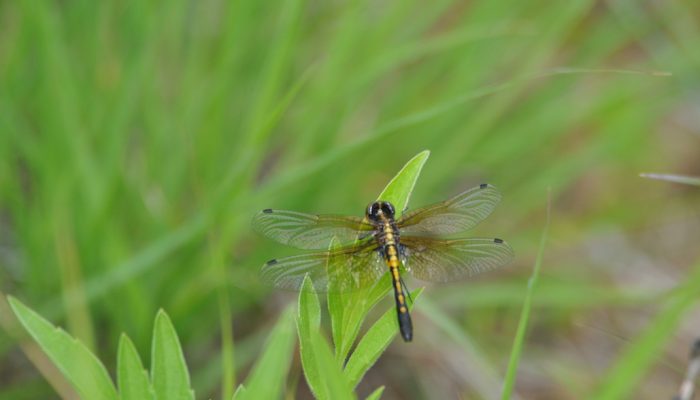
 Dot-tailed Whiteface
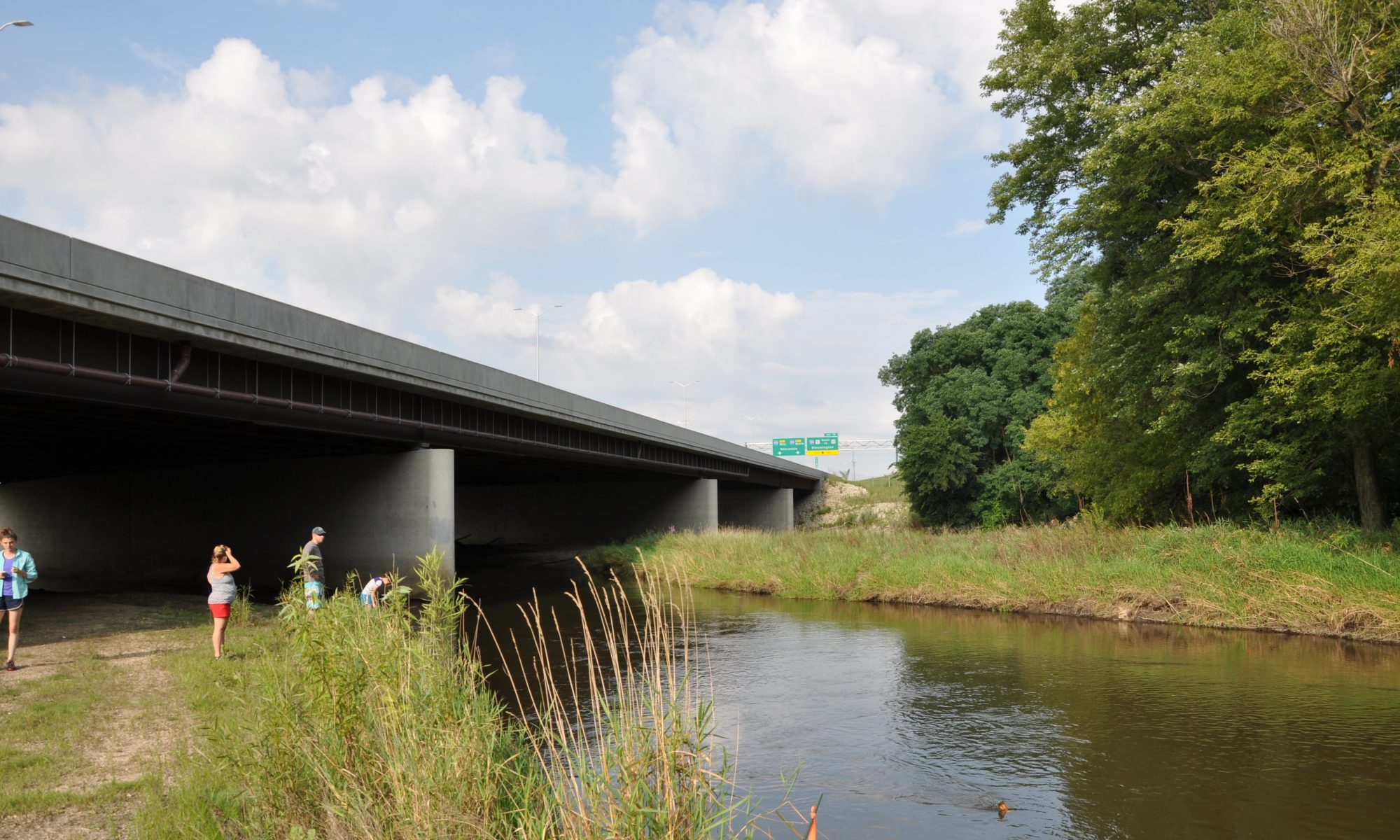
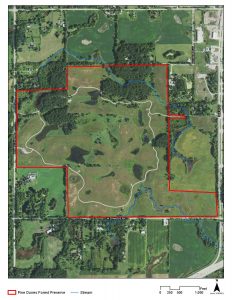 Pine Dunes Forest Preserve, owned and managed by Lake County Forest Preserve District (LCFPD), is an 868-acre tract located near Antioch and the Wisconsin border in northern Lake County, Illinois. It is part of a multi-preserve system constituting a 5300-acre tract of undeveloped, protected land in the region.
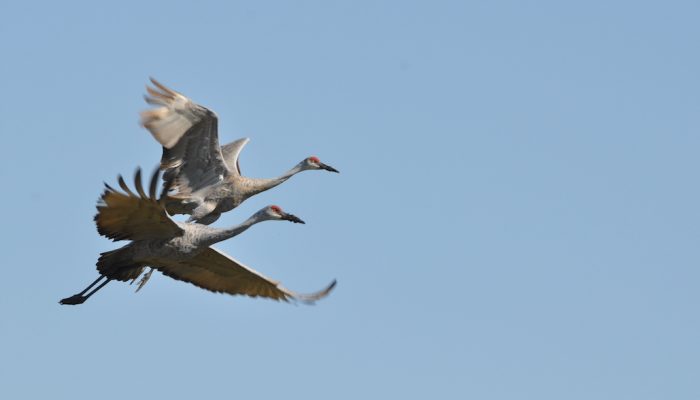
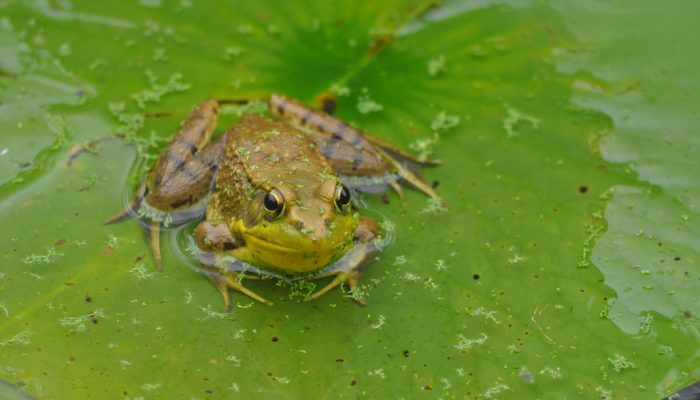
Approximately 70% of the preserve is upland, 30% wetland, and it contains critical habitat for numerous wildlife species including Red-headed Woodpeckers, Eastern Bluebirds, frogs, and Blue-Spotted Salamanders.
Pine Dunes also has an abundance of invasive Reed Canary Grass (Phalaris arundinacea) whose presence in Illinois wetlands decreases native plant and arthropod diversity.
The Illinois State Toll Highway Authority (ISTHA) has been working with LCFPD on a project valued at $9.3 million. Habitat restoration efforts include:
-
-
- ~85 acres of wetland enhancement and restoration
- enhancement of upland and woodland habitat
- ~1 km of stream restoration to connect existing wetlands to the Des Plaines River
- General seeding and planting activities continued through 2017
- wetland maintenance and monitoring to continue through 2020
- new trails, a parking lot, restroom facilities, boardwalks, a drinking water well and a new entrance road, as well as nearly three miles of bike and pedestrian trails
-

Based on our findings in 2017, we made management recommendations to support and improve the natural communities at Pine Dunes, including introducing native fish to some ponds while maintaining the other ponds fish-free, reducing invasive plant species across the site, and maintaining forest cover around ponds.
In 2020, we conducted bumble bee surveys at Pine Dunes. We did not encounter the Rusty Patched Bumble Bee, but did detect 8 species at the site, including the Half-black Bumble Bee, an SGCN.
We returned in 2021 to compare communities at the restored areas to more established areas.
- Amphibians
- 6 species
- 1 SGCN: Blue-spotted Salamander
- Reptiles
- 3 species
- Bats
- Detected Big Brown, Eastern Red, Hoary, Silver-haired, Little Brown, Evening, and Tricolored Bats at both Pine Dunes units
- Evening and Tricolored Bats were not detected at the site in 2017
- Birds
- 38 species at the Pine Dunes restoration site, 34 in the Pine Dunes reference site, and 41 in Raven Glen reference site.
- State endangered American Bittern and Common Gallinule were present at Pine Dunes
- SGCN Brown Thrashers, Northern Flickers, Field Sparrows, Red-headed Woodpeckers and Willow Flycatchers were at the Pine Dunes restoration site.
- Fish
- Detected Fathead Minnow and Green Sunfish at the Pine Dunes restoration site stream in 2017 and 2021
- Detected White Sucker in 2017 but not in 2021
- Insects
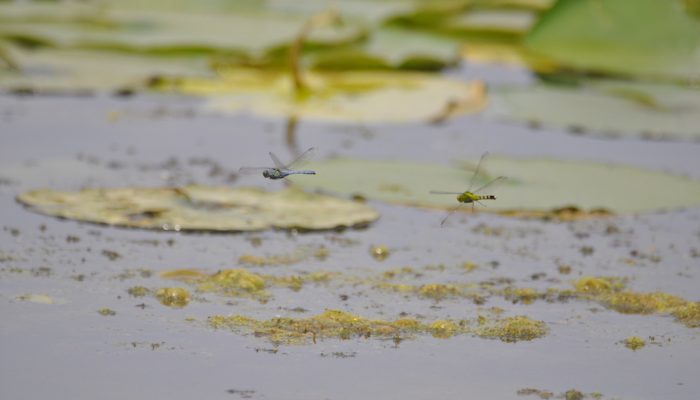
- 12 species of dragonfly detected at Pine Dunes restoration compared to 7 species combined at the 2 reference sites
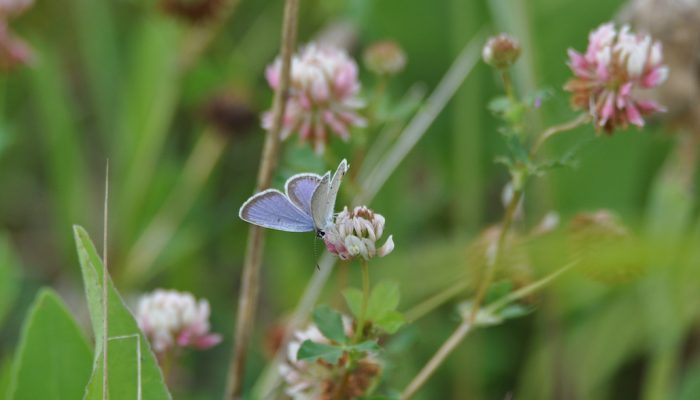
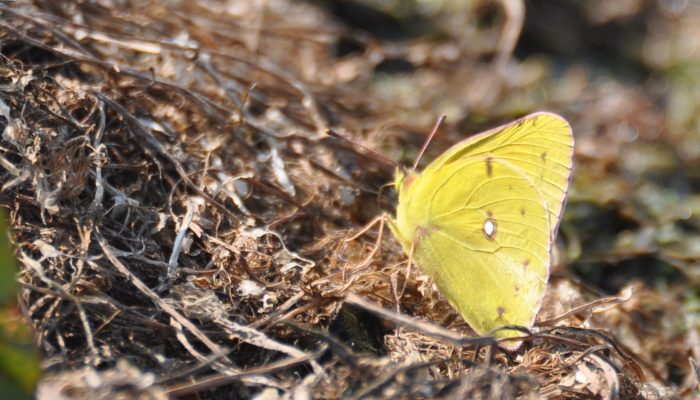
- 20 species of butterfly were found at the restoration site compared to 15 across the other two reference sites
- Monarchs were present at all sites
- Detected 10 species of stem borer moths at the restoration site including 5 SGCN, and 3 watch list
Rahlin, A.A., E.E. Bilger, S.A. Douglass, T.C. Hohoff, M.L. Niemiller, J.P. Ross, A.J. Stites ,J.L. Sherwood, and M.J. Dreslik. 2018. Biotic assessment of the Pine Dunes Wetland Mitigation Site in 2017. Illinois Natural History Survey Technical Report. 2018 (08):1–25.
Rahlin, Anastasia A., Tara C. Hohoff, Janet L. Jarvis, Seth M. LaGrange, Jennifer M. Mui, Valerie A. Sivicek, Jeremy S. Tiemann, and Michael J. Dreslik. 2022. 2021 mitigation site monitoring for Orland Grassland South and Pine Dunes Forest Preserves. Illinois Natural History Survey Technical Report 2022(1)1–48.